California State Numismatic Association

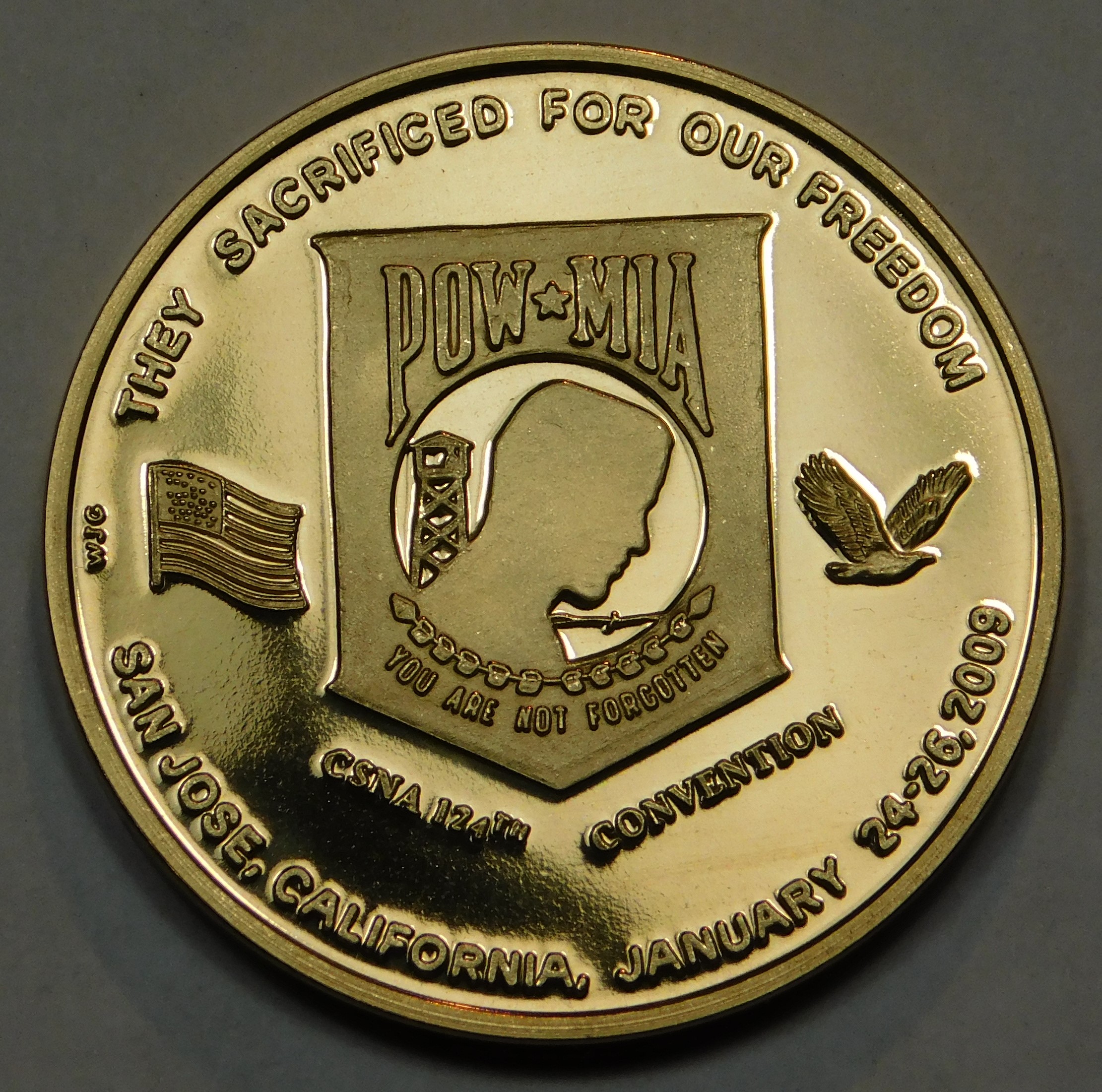
124th Convention medal design
 
Actual size: 1.54 inches
(oxidized bronze shown)
Designer: Phil Iversen

The CSNA 127th Convention Medal

The Pacific Electric Red Car

Picture Los Angeles today, and most people summon up images of cars and freeways. But if you talk to people of a certain age who grew up in Los Angeles, and mention the words “red cars”, you will hear about a time before the freeways, when a network of rail lines and electric streetcars connected LA, Orange, Ventura, San Bernardino and Riverside counties.

They reached their peak in popularity in the 1920s, then slowly fell victim to Angelenos’ love of their automobiles. By the time the last Red Car was retired from service in 1961, only rail hobbyists expressed much regret. But in the years since, fond memories, and perhaps freeway gridlock, have made the Red Cars more than just a forgotten bit of Los Angeles history.

As the new Metro Green, Red, and Blue lines now follow routes often very close to those once traveled by the old Red Car lines, this seems an opportune time to stop and remember what once was the premiere means of getting around southern California. In 1894 Moses Sherman and Eli Clark began acquiring the various cities’ horse-car and cablecar systems, eventually forming the Los Angeles Consolidated Electric Railway.

In 1895 the first intercity electric rail line opened linking Pasadena and Los Angeles. This was such a huge success that others soon followed: by 1896 tracks joined Los Angeles to what would one day be Beverly Hills, Hollywood, and Santa Monica. In 1898, financial difficulties forced Sherman and Clark to give up their company to investors, including Henry Huntington. This period also marked the birth of “ Red Cars”.

Prior to Huntington’s takeover, the trolley cars had been olive colored, trimmed in yellow. Henry Huntington, seeing an opportunity, began buying land in areas not yet reached by existing public transportation. In 1901 he established the Pacific Electric Railway to handle these holdings and built a new line to Long Beach in 1902. By 1914, you could go from downtown Los Angeles to San Bernardino, Santa Ana, San Pedro, or San Fernando. Pacifi c Electric offered low cost trips to a variety of southern California destinations. By the 1920s, as the popularity of automobiles increased, service to some communities was discontinued as tracks were paved over, and the trains yielded their high-speed right of ways to traffi c crossings. Lack of public support defeated plans for a subway or elevated rail system, and bus lines began to replace the red cars in many areas.

World War II brought a brief resurgence in popularity to rail travel and the refurbishing of some lines, but by the 1950s it was clear that the automobile had become the premier means of travel in Los Angeles. In 1953 Pacifi c Electric handed over control of the bus lines and the red car lines to Metropolitan Coach Lines, and in 1958 the newly created Los Angeles Metropolitan Transit Authority took over bus and rail passenger service in southern California. The explosive growth and sprawl of Los Angeles in the postwar years, lack of public money to keep up the existing lines, the huge increase in automobiles and the freeways that were built to accommodate them all conspired to kill the red cars.

By 1959 only the Los Angeles to Long Beach trolley line remained, and on April 8, 1961, it, too, ceased operation. At its peak the Pacifi c Electric Railway was huge: 1,150 miles of track covering four counties and 900 cars. 1944 marked the highest ridership: over 109 million passengers. Our CSNA medal for the southern convention was designed by Phil Iversen, who also designed the Hearst Castle medal of 2008 and Santa Monica Pier medal of 2009.